Engineered
Creativity
Most teams don’t lack creativity — they lack structure. Automation is not about replacing people. It’s about removing friction. When workflows are engineered correctly, creativity becomes faster, decisions become clearer, and performance becomes measurable.
“Automation is discipline applied to repetition.” — Systems thinking
1) Why Automation is a Competitive Advantage
Manual processes create inconsistency. Emails get forgotten. Leads get lost. Reports take too long. Automation fixes that. A properly designed system ensures: lead capture → qualification → follow-up → reporting happens automatically, without relying on memory or motivation.
2) Automation Starts With Process Clarity
Before automating anything, map the workflow. Use a Gantt chart, define decision points, identify bottlenecks. If the process is unclear, automation only scales the chaos. Structure first. Tools second.
3) Digital Automation: From Forms to Dashboards
A simple website form can trigger an entire system: confirmation email → CRM entry → task assignment → KPI tracking dashboard. When integrated properly, tools like Power BI, Excel dashboards, and CRM platforms turn raw data into actionable intelligence.


4) KPI-Driven Execution
Automation without KPIs is just convenience. The goal is visibility: conversion rate, response time, client acquisition cost, retention, delivery performance. When dashboards update automatically, decision-making becomes proactive.
5) Automation in Creative Work
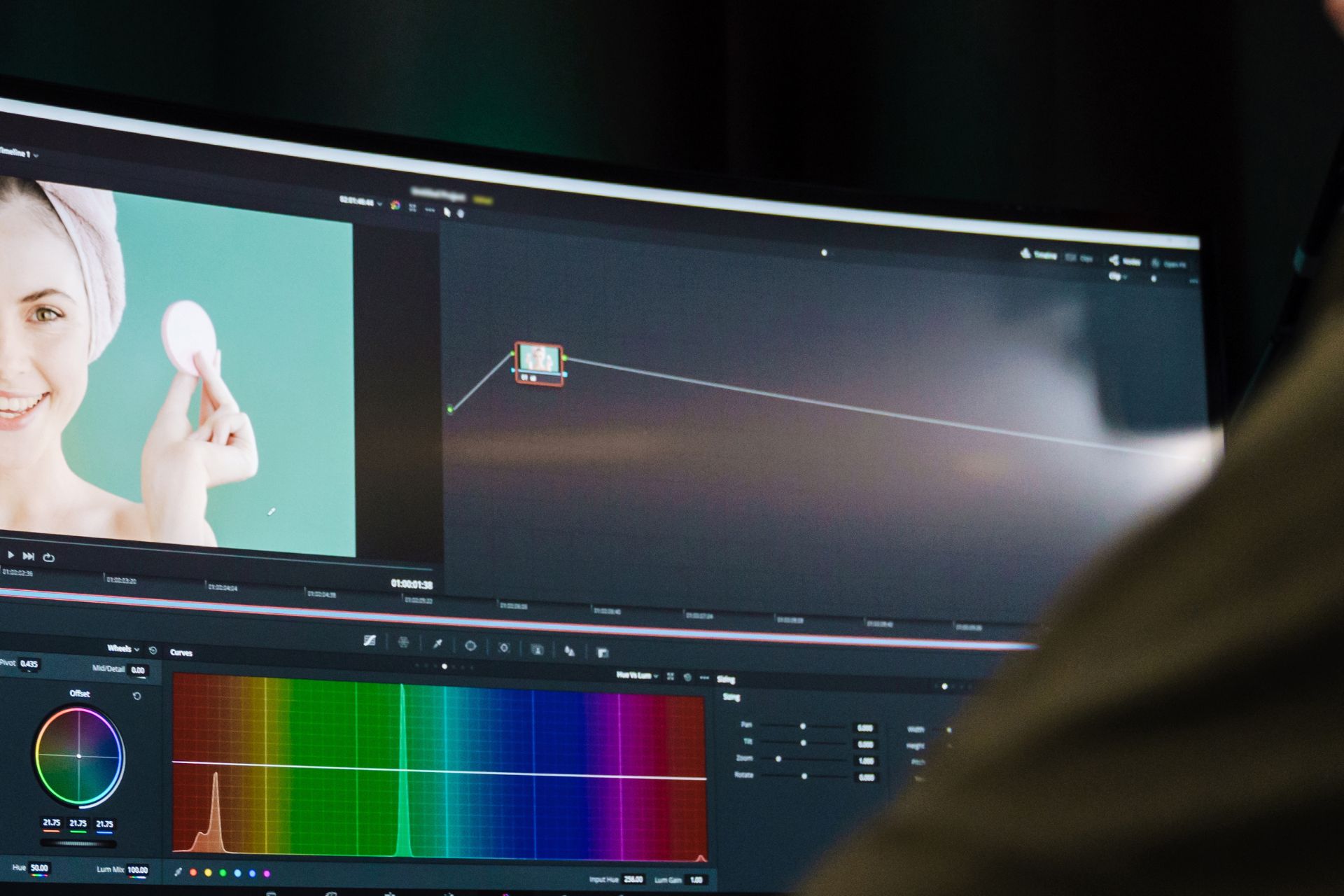
Even design can be systemized: reusable templates, motion presets, structured asset libraries, standardized export workflows. This does not kill creativity — it protects it. You automate repetition so you can focus on innovation.
“Structure creates freedom.” — Operational principle
6) Human + Automation = Scalable Trust
The best systems feel human. Instant confirmations, clear updates, structured onboarding — all automated, but personalized. Automation becomes invisible. The client only feels reliability.
In the end, automation is not a technical choice. It is a strategic mindset: build once, optimize continuously, measure everything, and scale intelligently.